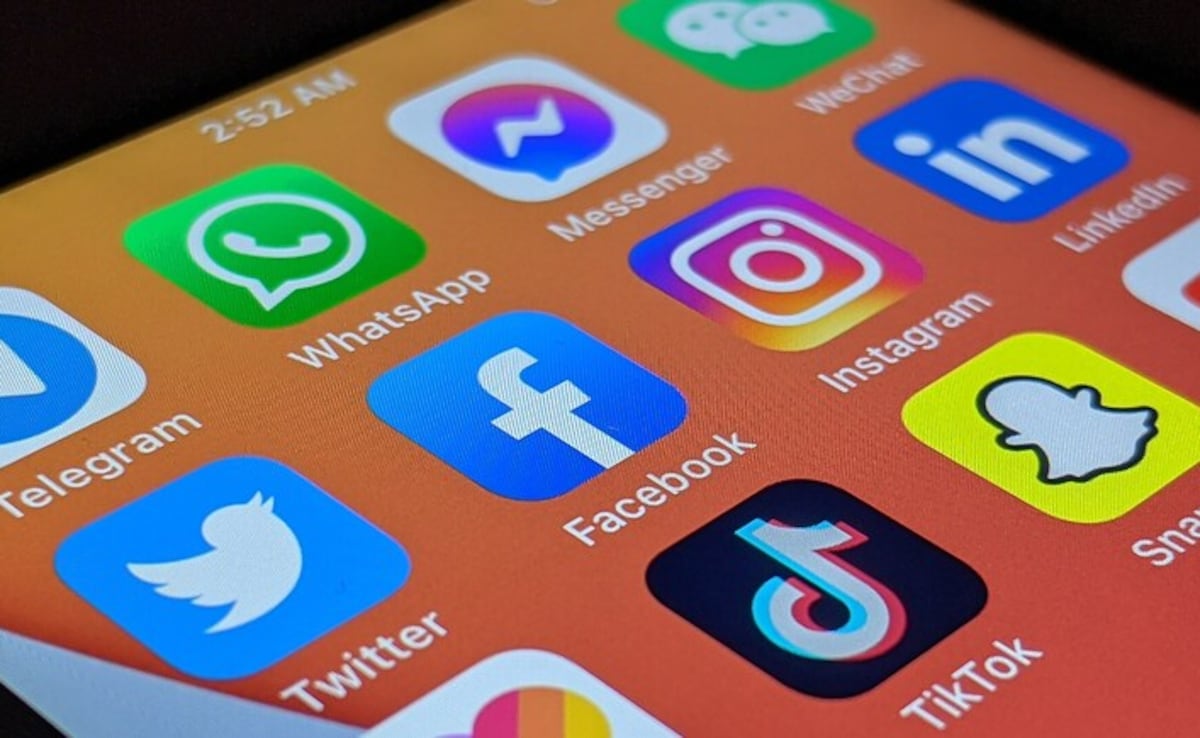
Australia and Brazil are currently engaged in a race to the bottom, disguised as a sprint toward "child safety." By banning social media for under-16s, these governments aren't protecting kids. They are conducting a massive, state-sponsored experiment in digital illiteracy.
The consensus view—the one your local politician is currently parroting on the evening news—is that social media is a digital toxin. They treat it like lead paint or asbestos. Their solution is simple: cut the cord. Block the IP. Demand a government ID at the login screen.
It is a lazy solution to a complex cultural shift. Worse, it’s a solution that ignores how the modern economy actually functions. I have spent two decades watching tech cycles move from "niche hobby" to "global infrastructure." If you remove a fifteen-year-old from the digital town square, you aren't just saving them from "doomscrolling." You are ensuring they enter the workforce with the technical intuition of a 1950s typist.
The Myth of the "Digital Native"
The biggest lie in this entire debate is that kids are naturally tech-savvy. They aren't. They are "app-savvy." There is a massive difference between knowing how to consume content on TikTok and understanding the algorithmic incentives, data structures, and social engineering that make the platform work.
By banning social media, we remove the training wheels for the modern world. We are telling teenagers: "Wait until you are sixteen to learn how to navigate the most powerful communication tool in human history."
Imagine if we treated cars this way. Instead of driver's education and supervised permits, we just banned anyone under 21 from touching a steering wheel, then handed them the keys to a Ferrari on their birthday. The result wouldn't be safety; it would be a bloodbath.
Digital literacy is a muscle. It requires resistance. It requires exposure to bad actors, misinformation, and algorithmic bias while the stakes are relatively low. Expecting a sixteen-year-old to suddenly develop the critical thinking skills to handle the internet without any prior supervised exposure is a fantasy.
The Brazil-Australia Protectionism Trap
The legislation in Australia and Brazil isn't just about mental health. It’s about control. It’s the ultimate Boomer reflex: if we don't understand it, and we can't monetize it via traditional tax structures, we should restrict it.
Brazil’s move is particularly ironic given its history of rapid digital adoption. For years, Brazil has been a global leader in social commerce. Small businesses there live and die by WhatsApp and Instagram. By cutting off the under-16 demographic, the government is effectively handicapping the next generation of entrepreneurs before they can even start.
The "lazy consensus" says that kids are just looking at dances and memes. The reality is that for a significant portion of the youth, social media is a classroom. It’s where they learn video editing, community management, brand building, and—most importantly—how to filter information.
The VPN Paradox
Let’s talk about the technical reality that politicians conveniently ignore. You cannot "ban" the internet.
When you implement a ban, you don't stop the behavior; you just move it to the shadows.
- The kids who follow the rules stay off the platforms and fall behind their global peers.
- The kids who are clever enough to use a VPN or a proxy—the "smart" ones—learn early on that the law is a joke.
We are teaching children that the only way to access the tools they need for social survival is through digital subversion. We are creating a generation of "black hat" teenagers who view government regulation as a technical hurdle to be bypassed rather than a standard to be respected.
Australia’s plan to use "age-assurance technology" is a privacy nightmare waiting to happen. To "protect" kids, the government wants to create a centralized database of biometric data or government IDs linked to social media habits. This isn't safety. This is a gift to every hacker and state actor on the planet. I’ve seen companies spend hundreds of millions on cybersecurity and still lose data. The idea that a government-mandated "age gate" will be secure is laughably naive.
The Mental Health Scapegoat
The most common argument for these bans is the "mental health crisis." It’s an easy sell. Correlation is frequently presented as causation.
Yes, teen depression is up. But let’s look at the variables we’re ignoring while we obsess over Instagram:
- Economic instability and the death of the "starter home."
- The collapse of physical "third places" (malls, parks, community centers).
- High-stakes testing and a hyper-competitive educational environment.
It is much easier for a politician to ban an app than it is to fix the housing market or rebuild public infrastructure. Social media is the convenient scapegoat for a broader societal failure to provide young people with a sense of purpose or a physical community.
In fact, for many marginalized youth—LGBTQ+ kids in rural areas, for example—social media is the only lifeline they have to a community that understands them. A blanket ban isn't a safety net; it's an isolation chamber.
The Competency Gap
While Australia and Brazil retreat into digital isolationism, other regions are leaning in.
In Estonia and parts of Southeast Asia, the focus isn't on "banning," but on "integration." They understand that the $21$st-century economy is built on digital influence and network effects.
If you are a 15-year-old in Sydney, you are now legally barred from learning how to build a digital audience. Meanwhile, a 15-year-old in Singapore or Seoul is mastering the art of the viral loop. Who do you think is going to be more employable in five years?
We are creating a massive "Competency Gap." We are protecting our children into obsolescence.
Stop Regulating Apps, Start Regulating Algorithms
If these governments actually cared about child safety, they wouldn't be looking at "Access." They would be looking at "Architecture."
The problem isn't that a fourteen-year-old is on a social network. The problem is the feedback loop.
- The Infinite Scroll: A design choice, not a necessity.
- Variable Reward Mechanisms: The "slot machine" effect of likes and notifications.
- Predatory Data Harvesting: The sale of behavioral profiles.
You can fix these things through design standards and privacy laws without banning the users. But that requires technical expertise and the courage to take on the platforms directly on a structural level. It’s much easier to just pass a law that says "No Kids Allowed" and pat yourself on the back while the actual harm continues for everyone aged 17 and up.
The Cost of the "Safe" Path
There is a significant downside to my contrarian view: It requires parents to actually parent.
A ban is a gift to lazy parenting. It allows parents to outsource their responsibility to the state. "I don't have to talk to my kid about digital ethics because the government blocked the app."
When you remove the ban, you force the conversation. You force parents to sit down and explain why $1,000$ likes don't equal self-worth. You force schools to teach media literacy. You force the hard work of raising a functional human being in a digital world.
The "safe" path Australia and Brazil are taking is a path of least resistance. It feels good in a press release, but it’s a strategic disaster. You cannot "protect" a child from the future. You can only prepare them for it.
Australia and Brazil aren't building a safer world for their children. They are building a digital museum where their youth will sit, shielded and stagnant, while the rest of the world moves on without them.
The choice isn't between "Safety" and "Social Media." The choice is between "Digital Competence" and "State-Mandated Ignorance." Choose wisely, because once this generation falls behind, no VPN in the world is going to help them catch up.
Hand the kids the tools. Teach them how the tools work. Then, get out of the way.