Walk through the lobby of a skyscraper in Central at 6:00 PM, and you will hear the sound of a middleman’s engine cooling down. It is the rhythmic clinking of ice in a glass, the polite laughter of a deal-closer, and the frantic tapping of a phone screen as a logistics coordinator ensures a shipment from Shenzhen makes it to a warehouse in Rotterdam. For forty years, this was the definition of success in Hong Kong. We were the "superconnector." We were the world’s most efficient switchboard, plugging the West into the East and taking a small, reliable fee for the service.
But the switchboard is getting quiet.
The wires are still there. The infrastructure is magnificent. Yet, the world has learned how to dial direct. If you are just a bridge, you are only as valuable as the distance between the two shores. Today, those shores are moving, and some are building their own tunnels. To survive, the city cannot just be the person who introduces two strangers at a party. It has to be the person who stays at the table to help them build the company.
The Ghost of the Middleman
Consider a hypothetical entrepreneur named Li. Ten years ago, Li’s job was simple. She found a factory in Guangdong that made high-end medical sensors. She found a buyer in Germany. She handled the letters of credit, the quality inspections, and the legal hurdles of the SAR boundary. She was a classic connector. She didn't need to know how the sensor worked; she only needed to know who wanted it and how to ship it.
Li made a fortune. But lately, the German buyer has been using AI-driven platforms to source directly. The factory in Guangdong has hired its own international sales team. Li’s "connection" is now a line of code or a direct email.
This isn't just Li’s problem. It is the existential crisis of an entire economy. When officials and economists now argue that Hong Kong must pivot from a "superconnector" to a "value-adder," they are talking about Li’s survival. They are saying that if Li doesn't understand the circuitry inside that sensor—if she can't help the German buyer customize the software or help the factory patent the design—she will eventually be bypassed.
The Weight of Being Useful
Value-adding is a heavy term for a simple concept: making something better than you found it. In the old model, Hong Kong was a transit lounge. Goods and capital stayed just long enough to be stamped and sent on their way. In the new model, the city must become the laboratory, the design studio, and the specialized courtroom.
Think of the difference between a gold merchant and a jeweler. The merchant moves the metal. The jeweler takes the metal, understands its properties, applies a unique craft, and creates something that didn't exist before. The jeweler’s profit isn't just a margin on the raw material; it’s a premium on their expertise.
For Hong Kong, this means moving into the "midstream" of innovation. We have world-class universities that produce groundbreaking research in biotechnology and artificial intelligence. Historically, however, that research would often flee. A professor would discover a new way to sequence proteins, and the commercialization would happen in Boston or Singapore. The "connector" mindset meant we were happy to host the scholar, but we didn't know how to help them build the factory.
Now, the pressure is on to bridge that gap between the chalkboard and the marketplace. It requires a different kind of bravery. It’s easy to move money. It’s hard to build an industry.
The Invisible Stakes of Law and Logic
One of the most potent ways to add value is through the invisible architecture of trust. This is where the narrative of a "value-adder" gets technical but remains deeply human. When a tech giant in Beijing signs a contract with a venture capital firm in London, they aren't just looking for a place to meet. They are looking for a place where the rules won't change mid-game.
Hong Kong’s common law system is a legacy that functions like a high-end operating system. You don't notice it until it crashes. By positioning itself as a hub for international arbitration and intellectual property protection, the city adds a layer of safety that isn't available elsewhere in the region.
Imagine a dispute over a patent for a new solid-state battery. A "connector" would just host the meeting. A "value-adder" provides the specialized judges, the patent experts, and the legal framework that ensures the inventor isn't robbed of their life's work. That isn't just "connecting" two parties; it is providing the essential ingredient—certainty—that allows the deal to happen in the first place.
The Shift in the Streets
You can see this transition in the physical spaces of the city. The old Hong Kong was defined by the container terminal—giant steel boxes moving in a blur of efficiency. The new Hong Kong is being carved out in places like the Hong Kong-Shenzhen Innovation and Technology Park in the Lok Ma Chau Loop.
It is a messy, difficult birth.
Transformation hurts. It requires people who have spent thirty years in traditional trade to learn the language of deep-tech and green finance. It’s uncomfortable. There is a specific kind of anxiety that comes with realizing your old skills are becoming a commodity. You can feel it in the coffee shops in Sheung Wan, where young founders talk over laptops about "ESG-linked derivatives" and "tokenized real-world assets."
These aren't just buzzwords. They represent a shift in the soul of the city’s commerce. If the world wants to invest in the green transition of Asia’s massive manufacturing base, they need more than a bank. They need a partner who can verify carbon credits, audit environmental impact, and structure complex "green" bonds. That is value-adding. It is taking a raw financial flow and refining it into a specialized tool for the 21st century.
The Risk of Staying Still
The most dangerous thing a person or a city can be is comfortable. For decades, the "superconnector" role was so lucrative that there was little incentive to change. Why innovate when you can just collect the toll?
But the toll booths are being torn down.
Singapore is hungry. Dubai is ambitious. Cities across mainland China are becoming sophisticated financial centers in their own right. The geographical advantage of being the "Gateway to China" has been diluted by high-speed rail, digital banking, and the sheer scale of global connectivity. You can’t just stand in the doorway anymore. You have to invite people inside and offer them something they can’t get anywhere else.
This isn't a choice between the old and the new; it is an evolution. The city’s history as a trader is its foundation, but it cannot be its ceiling. We are moving from a city that asks "How much is it?" to a city that asks "How can we make this better?"
The New Architecture of the Deal
True value-adding is often silent. It’s the specialized insurance policy that covers a satellite launch. It’s the clinical trial conducted in a Hong Kong hospital that proves a drug is safe for global markets. It’s the fashion designer in Sham Shui Po who uses 3D-printing to reduce textile waste.
These individuals are the new protagonists of the Hong Kong story. They are not merely passing through. They are digging in. They are taking the "connector" infrastructure and using it as a springboard for creation.
The stakes are higher now. In the old days, if a shipment was delayed, you lost a commission. In the new era, if we fail to add value, we lose our relevance. The world doesn't owe a middleman a living. It only pays for what it cannot do itself.
The clinking of ice in the glasses in Central continues, but the conversation has changed. It’s less about who you know, and more about what you know. The handshake is still important, but it’s the work that happens after the handshake that will define the next forty years.
A bridge is a static thing, worn down by the feet of those who cross it. A laboratory is a living thing, fueled by the minds of those who work within it. Hong Kong is deciding, block by block and deal by deal, which one it wants to be.
The city is no longer just a place where the world meets. It is becoming the place where the world’s most difficult problems are given a shape, a price, and a solution.
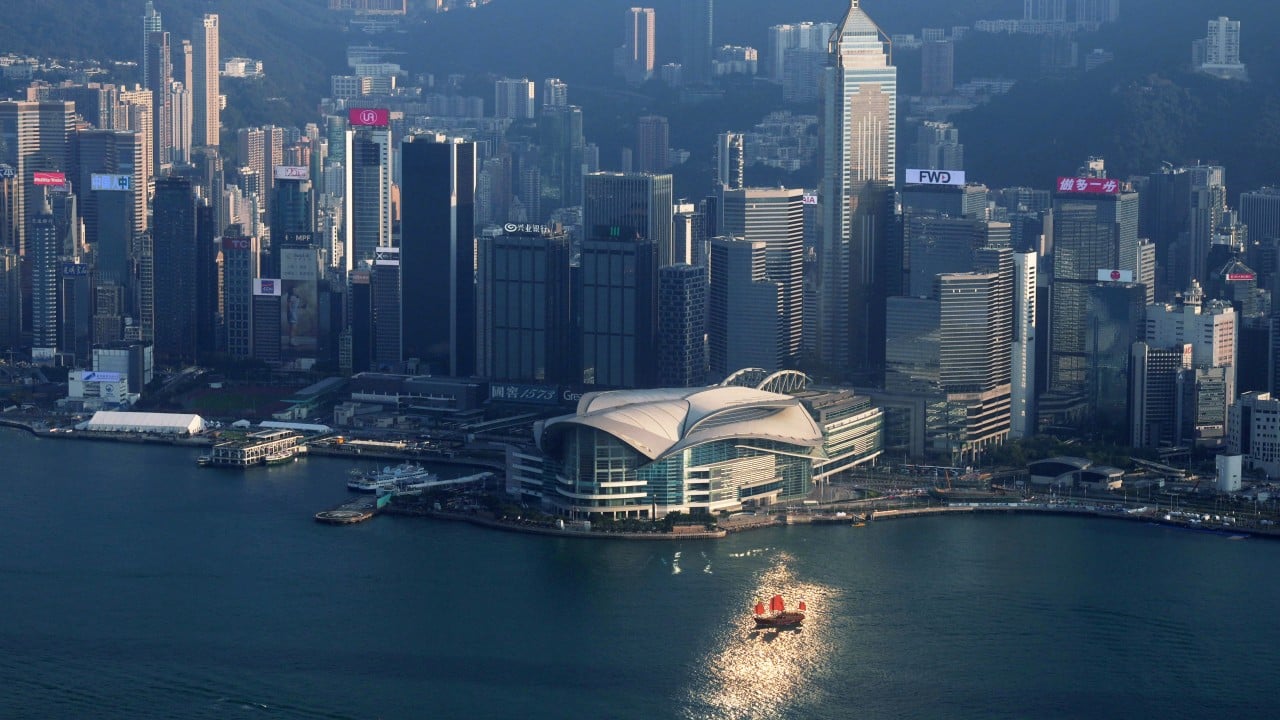
If you look closely at the skyline tonight, you aren't just seeing a forest of steel and glass. You are seeing a giant, vertical workshop. The lights are on late not because the shipments are coming in, but because the prototypes are being tested. The bridge is becoming a forge.