The era of Françafrique is not merely fading; it is being violently dismantled by a generation of Africans who view Paris as a relic rather than a partner. For decades, the relationship between France and its former colonies rested on a tripod of military interventionism, the CFA franc, and a tight-knit web of elite political friendships. That structure has collapsed. What we are witnessing in 2026 is a messy, uncoordinated divorce that leaves a massive power vacuum being filled by Moscow, Beijing, and Istanbul. French President Emmanuel Macron’s attempts to "reset" this dynamic through soft power and historical commissions have failed because they addressed the symptoms of African resentment while ignoring the structural economic grievances that underpin them.
The Mirage of Post Colonial Reform
France has spent the last five years trying to convince the world that its presence in the Sahel and West Africa was purely altruistic. The narrative pushed by the Quai d'Orsay focused on fighting jihadism and supporting democratic transitions. However, the optics on the ground told a different story. To a young entrepreneur in Bamako or a student in Dakar, the French military was not a shield; it was a permanent fixture of foreign oversight that failed to deliver security.
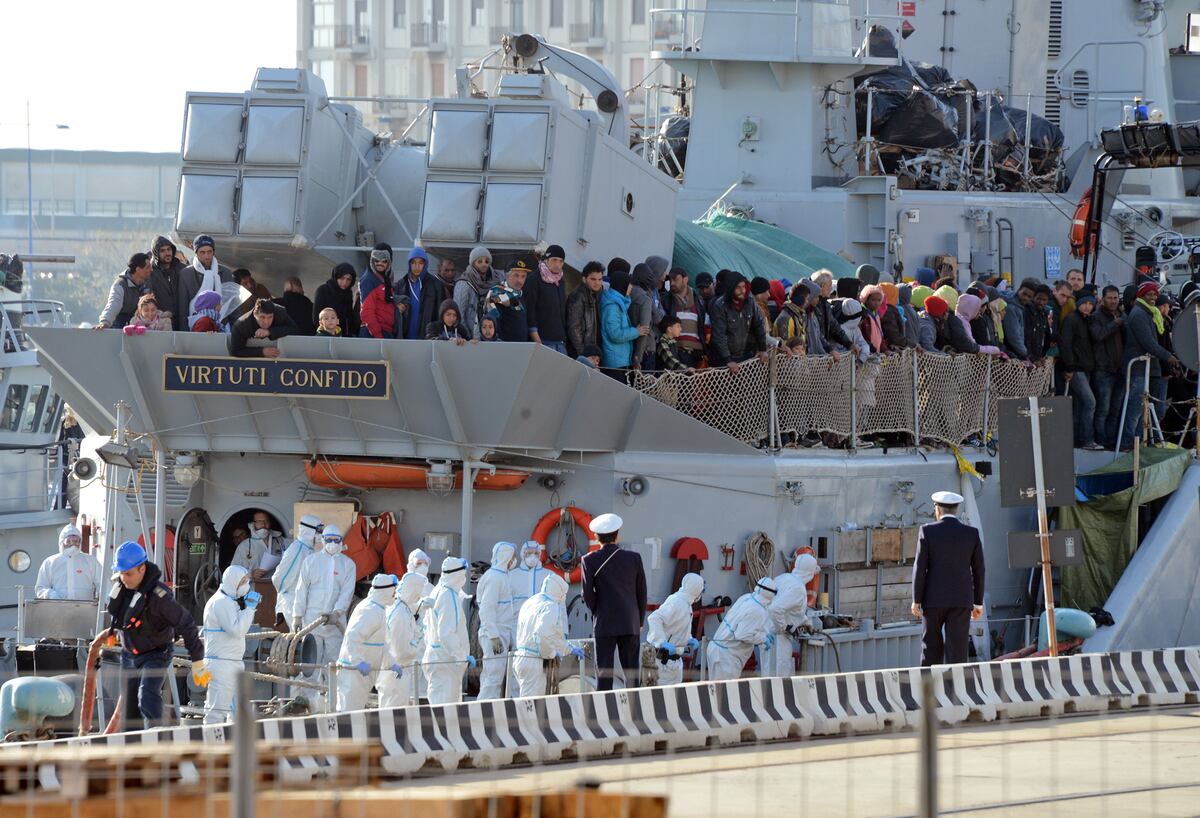
When French troops were expelled from Mali, Burkina Faso, and Niger, the shock in Paris was palpable. There was a fundamental misunderstanding of how deeply the anti-French sentiment had fermented. This wasn't just Russian disinformation, although the Wagner Group certainly fanned the flames. The resentment was organic. It grew from a sense that French corporations—TotalEnergies, Orange, and Bolloré—extracted wealth while the local populations remained trapped in a monetary system designed in the 1940s.
The CFA Franc Trap
At the heart of the friction is the CFA franc. For years, critics have argued that this currency is a tool of "monetary colonialism." While proponents say it provides stability and keeps inflation low, the trade-off is a lack of sovereign control. Member states cannot devalue their currency to make exports more competitive. They are essentially tied to the Euro, a hard currency that reflects the economic reality of Berlin and Paris, not Ouagadougou.
Economic growth in the CFA zone has often been decoupled from poverty reduction. When a country cannot control its own interest rates or exchange rates, it loses the primary levers of industrialization. France recently agreed to some reforms, such as removing French officials from the central bank boards and ending the requirement to deposit 50% of foreign reserves in the French Treasury. But these were cosmetic changes. The currency remains pegged to the Euro. To the street, the "Eco"—the proposed replacement—looks like the same old wine in a slightly newer bottle.
Military Failure and the Rise of the Juntas
The collapse of Operation Barkhane serves as the definitive turning point. France's military strategy was built on the assumption that tactical victories over insurgent groups would lead to political stability. It was a grave miscalculation. Each "neutralized" extremist leader was replaced by two more, and the civilian populations caught in the crossfire began to blame the foreign protector more than the hidden enemy.
The series of coups across the "Coup Belt" was a direct rejection of the French-backed status quo. Military juntas in the Sahel found that they could gain instant domestic legitimacy by simply telling the French to leave. It was a cheap but effective political win. These new leaders shifted their gaze toward Russia, which offered a different deal: security assistance with no lectures on human rights or democratic norms.
The Russian and Chinese Displacement
Russia’s entry into the African theater is transactional and brutal. They provide "regime survival packages"—mercenaries, weapons, and propaganda support—in exchange for mining concessions. It is a primitive form of diplomacy that resonates with leaders who feel besieged by both terrorists and Western diplomats.
China, meanwhile, plays the long game. While France was focused on counter-terrorism, China was building the ports, railways, and fiber-optic cables that define 21st-century sovereignty. Beijing does not care about the "Francophone" identity. They care about lithium, cobalt, and market access. France's insistence on cultural and linguistic ties is increasingly seen as an emotional appeal in a world that only respects hard infrastructure and liquidity.
The Soft Power Deficit
Macron’s strategy of returning looted artifacts and commissioning reports on the Rwandan genocide was intended to heal historical wounds. In reality, it felt like an academic exercise to a continent where the median age is roughly 19. Young Africans are not looking for an apology for the 19th century; they are looking for visas, investment capital, and a seat at the table that doesn't require a stopover in Paris.
The visa policy has been a particular disaster for French diplomacy. In an attempt to appease right-wing voters at home, the French government restricted visas for citizens of North and West African countries. This hit the very people France needed to stay on its side: the business class, the intellectuals, and the artists. When a Moroccan CEO or a Senegalese engineer is denied a visa to attend a conference in Lyon, they don't just get angry—they take their business to Dubai, Istanbul, or Shanghai.
A New Generation of Leaders
The "Old Guard" of African presidents, who spent their summers on the French Riviera and kept their bank accounts in Paris, is dying out. The new cohort of leaders, whether they came to power via the ballot box or a tank, are increasingly "Poly-aligned." They do not want to choose between the West and the East. They want to play all sides against each other to get the best deal.
French firms are losing their monopoly. In sectors like telecommunications and construction, French companies are being outbid by Turkish firms that work faster and Chinese firms that bring their own financing. The "Chasse Gardée" (private hunting ground) that France once enjoyed in Africa is officially closed.
The Economic Re-alignment
The shift is most visible in the energy sector. As Europe scrambles to diversify away from Russian gas, it has looked toward Africa. But African nations are no longer willing to simply export raw materials. They are demanding local processing and a share of the value chain. Nigeria, Algeria, and Mozambique are negotiating from a position of strength that Paris isn't used to.
If France wants to remain relevant, it has to stop acting like a protective parent and start acting like a venture capitalist. This means moving away from "aid" and toward "equity." It means accepting that African nations will make choices that Paris doesn't like, including forming security alliances with rivals.
The Intelligence Gap
One of the most damning aspects of the current crisis is the failure of French intelligence to foresee the depth of the hostility. There was a hubris in the Elysée Palace—a belief that because "we know these people," we can manage them. That familiarity bred a fatal blind spot. Paris missed the shift in the digital landscape, where Telegram channels and WhatsApp groups became the primary drivers of political mobilization, often saturated with a mix of genuine grievance and sophisticated foreign propaganda.
France's influence was also eroded by its own domestic politics. The rise of anti-immigrant rhetoric in the French media and parliament is broadcast directly to smartphones in Abidjan and Bamako. You cannot tell a continent they are your "partners" while simultaneously debating whether their children are a threat to your national identity. The disconnect is too wide to bridge with a few speeches at a summit.
The Geopolitical Void
The exit of France doesn't necessarily mean a more stable Africa. In the Sahel, the departure of French troops has been followed by an escalation in violence. The juntas have discovered that Russian mercenaries are more interested in protecting gold mines than protecting villages. However, the tragedy is that many locals still prefer this chaotic "sovereignty" over the perceived humiliation of French tutelage.
Western allies, particularly the United States, are watching this retreat with growing alarm. Washington relied on France to be the "policeman" of Francophone Africa. Now, the U.S. is forced to build its own relationships from scratch in a region that is increasingly skeptical of any Western military footprint.
France’s decline in Africa is a case study in the failure of a middle power to adapt to a multipolar world. It clung to a 20th-century model of influence—one based on linguistic ties and military presence—while the rest of the world moved to a model based on infrastructure, technology, and cold, hard pragmatism. The relationship hasn't just changed; the old one has been liquidated.
The French government must now decide if it can handle being just another player on the continent, rather than the primary arbiter. This requires a level of humility that has not been a hallmark of French foreign policy. If Paris continues to treat the loss of influence as a PR problem to be solved with better "communication," it will find itself completely locked out of the world’s fastest-growing markets. The era of the "special relationship" is dead, and the burial is being conducted by the very people France thought it was leading.
Stop looking for a "new chapter" in the old book. The book has been thrown away.