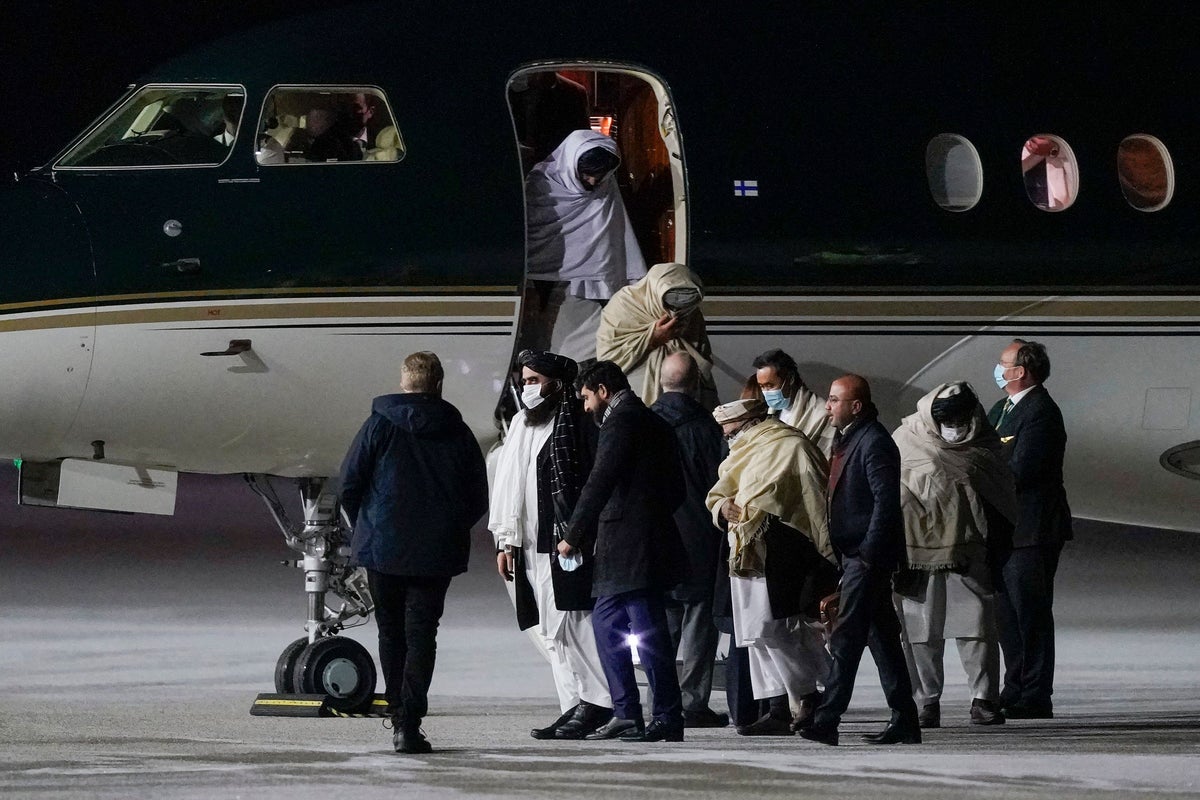
The European Union has broken its own diplomatic embargo by inviting Taliban representatives to official meetings in Brussels for the first time since the 2021 fall of Kabul. This move triggered immediate condemnation from human rights organizations and exiled Afghan leaders who view the invitation as a betrayal of Afghan women and a normalization of an illegitimate regime. However, Brussels is operating on cold geopolitical calculations. The bloc is attempting to stem a looming migration crisis, secure counter-terrorism cooperation, and counter China’s growing influence in Central Asia. By offering the Taliban a seat at the table, the EU is trading its stated normative values for hard security guarantees.
This shift did not happen overnight. For nearly three years, the West maintained a policy of strategic isolation, freezing billions in Afghan central bank assets and conditioning recognition on human rights benchmarks. That policy failed. The Taliban consolidated power, systematically erased women from public life, and defied Western economic pressure by pivoting toward regional autocracies. European capitals now realize that isolation has left them with zero leverage over a regime governing a country of 40 million people sitting at a critical geopolitical crossroads.
The Migration Panic Driving European Diplomacy
Internal European politics, more than any humanitarian impulse, explain this sudden diplomatic pivot. Public anxiety over migration is reshaping elections across the continent, forcing centrist governments to adopt draconian border policies to survive. Afghanistan remains one of the largest sources of asylum seekers entering the EU.
Diplomats in Brussels understand that a total economic collapse in Afghanistan would trigger a massive, uncontrollable wave of migration toward Europe. By opening a direct channel with Kabul, the EU hopes to coordinate humanitarian aid distribution more effectively, stabilize the local economy enough to keep people from fleeing, and eventually establish a framework for deporting rejected Afghan asylum seekers. It is a transactional arrangement. European officials offer the Taliban a veneer of international legitimacy in exchange for the regime acting as a regional border guard.
This strategy carries immense political risk. It signals to authoritarian regimes worldwide that the EU will abandon its human rights rhetoric whenever domestic migration anxieties peak. Critics point out that dealing with a regime that bars girls from schools and women from employment makes a mockery of the EU's self-proclaimed "feminist foreign policy." Yet, inside the hallways of the European External Action Service, the consensus has shifted from moral stance to survival mode.
The Counter Terrorism Tradeoff
Security agencies in Berlin, Paris, and Brussels have grown increasingly alarmed by intelligence reports detailing the resurgence of Islamic State Khorasan Province, known as ISIS-K, inside Afghanistan. The group has demonstrated the capability to plan and execute sophisticated attacks well beyond Afghanistan's borders, including inside Europe.
The EU faces a grim reality. The Taliban and ISIS-K are mortal enemies engaged in a brutal, low-intensity civil war. Western intelligence services lack the ground presence they enjoyed for two decades, leaving them blind to emerging threats. To monitor and disrupt ISIS-K operations, European security apparatuses need actionable intelligence. The Taliban possesses that intelligence.
+-------------------------------------------------------+
|                THE REPUTATIONAL PRICE                 |
+---------------------------+---------------------------+
|      What the EU Wins     |     What the EU Loses     |
+---------------------------+---------------------------+
| • Intelligence sharing on | • Moral authority on global|
|   ISIS-K networks.        |   human rights stages.    |
| • Potential mechanism for | • Leverage to demand      |
|   orderly deportations.   |   reforms for Afghan women|
| • Presence to counter     | • Credibility with democratic|
|   Sino-Russian influence. |   allies in the region.   |
+---------------------------+---------------------------+
This dynamic creates an uneasy alignment of interests. Brussels wants to stop terrorist plots before they reach European soil, and the Taliban wants to eliminate its domestic rivals while securing international recognition. By inviting Taliban intelligence and diplomatic officials to Brussels, the EU is exploring a quiet security pact. It is a dangerous gamble. Relying on an extremist group to police other extremist groups rarely yields long-term stability, and it frequently backfires when those weapons and tactics turn against the West.
The Failure of Economic Sanctions
The broad sanctions regime imposed after August 2021 was designed to force the Taliban into compliance on human rights and inclusive governance. Instead, it devastated the Afghan civilian population while leaving the Taliban leadership largely untouched. The regime adapted by taking control of the country's informal economy, taxing internal trade routes, and exploiting lucrative customs revenues at border crossings with Pakistan and Iran.
Western policy analysts now admit that economic starvation cannot dislodge ideological zealots. The sanctions did, however, create a vacuum. As Western corporations and development agencies pulled out, state-backed entities from Beijing and Moscow stepped in to fill the void, offering infrastructure investments in exchange for access to Afghanistan's vast, untapped mineral reserves.
The China and Russia Factor
Europe's sudden willingness to talk to Kabul is also driven by the fear of being locked out of Central Asia entirely. China has already accepted a Taliban ambassador in Beijing and signed major oil and copper mining contracts. Moscow maintains a fully functional embassy in Kabul and regularly hosts Taliban delegations for economic summits.
If Europe maintains a policy of total isolation, Afghanistan will be completely absorbed into an anti-Western axis of autocracies. This would give Beijing control over critical mineral supply chains, including lithium and rare earth elements essential for Europe's green transition. By initiating direct talks, Brussels is attempting to signal to Kabul that the West remains a viable economic alternative to total dependence on China and Russia.
Betrayal of the Afghan Diaspora
For the thousands of Afghan activists, journalists, and former officials who fled to Europe after the takeover, this invitation feels like a knife in the back. Many of these individuals were evacuated by European militaries under the promise that the West would never recognize the tyranny they were fleeing.
"By welcoming the Taliban to Brussels, the EU is validating the system of gender apartheid currently crushing millions of women inside Afghanistan," says an exiled Afghan women's rights advocate based in Germany. "They are telling us our lives and rights are negotiable parameters in their domestic political calculations."
The diaspora argues that the EU is falling for a classic Taliban deception strategy. The regime routinely deploys pragmatic, English-speaking diplomats to international meetings to promise moderation and cooperation, while its leadership council in Kandahar simultaneously issues increasingly repressive decrees. Brussels is treating the Taliban like a traditional nation-state government, ignoring the reality that it operates as an ideological insurgency holding a nation hostage.
The Illusions of Engagement
The fundamental flaw in the European Union’s new strategy is the belief that the Taliban can be incentivized into changing its behavior through diplomatic carrots and economic sticks. History suggests otherwise. The older generation of Taliban leaders survived two decades of high-tech Western warfare without compromising their core ideological convictions. They view the retreat of NATO forces as a divine victory that validates their worldview. They are not interested in reforming to please European donors.
Furthermore, the EU lacks a unified strategy. Individual member states are pursuing conflicting goals. While some capitals favor strict isolation to satisfy domestic voters angry about human rights abuses, others are quietly sending intelligence chiefs to Kabul to secure back-channel deals. This fragmentation ensures that the Taliban can play different European nations against one another, maximizing their diplomatic gains while offering minimal concessions in return.
The Brussels meetings mark the end of the post-2021 Western consensus on Afghanistan. The policy of isolation is dead, replaced by a cynical, fractured approach driven by fear of migration, terrorism, and geopolitical irrelevance. By opening its doors to the Taliban, the European Union has chosen to accept the world as it is, rather than the world its charters project. This pivot exposes the profound limitations of Western soft power when confronted by an adversary willing to let its own population starve rather than compromise its ideological purity.