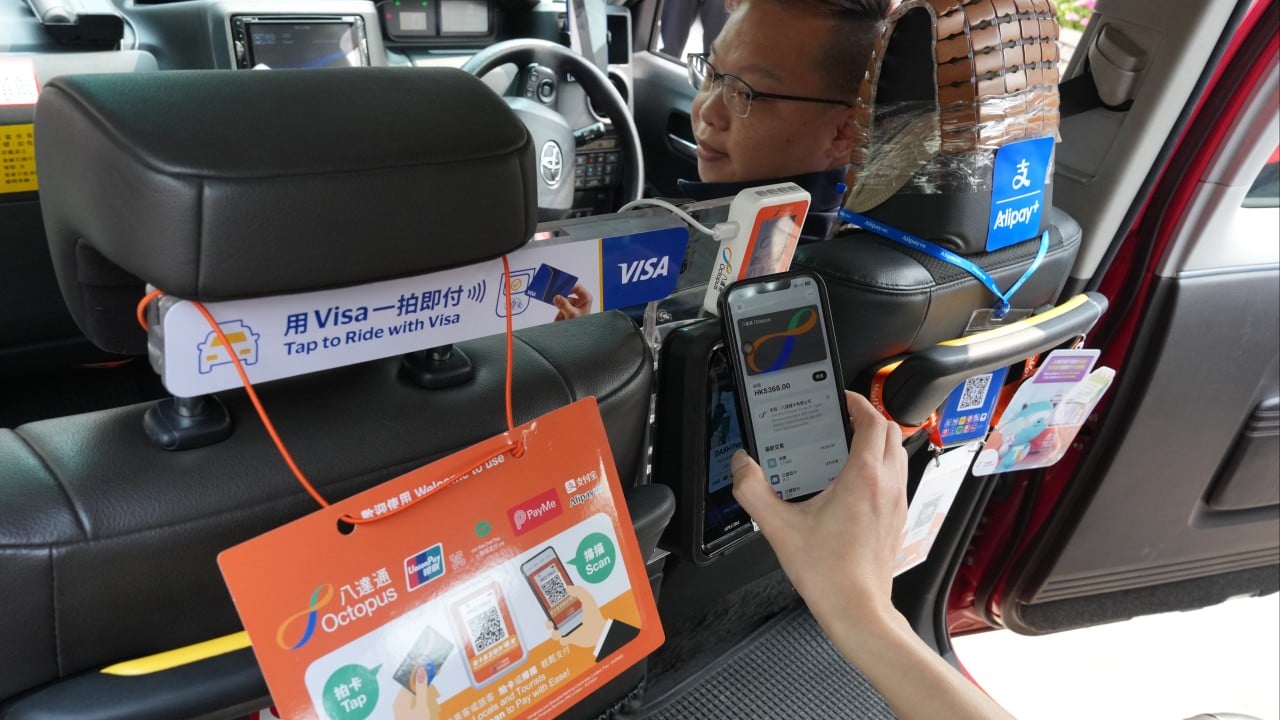
The rain hit the windshield in rhythmic, heavy thuds, blurring the neon signs of the city into long streaks of electric blue and crimson. Inside the cab, the air smelled of stale coffee and damp upholstery. It was 11:30 PM. I reached for my phone as we pulled up to the curb, ready to tap the glowing QR code taped to the back of the headrest.
"Machine down, boss," the driver said. He didn't look back. He just watched the wipers clear the glass. "Battery dead. Cash only tonight."
I looked at the terminal. It was dark. A small, black rectangle of silent defiance. I looked at my wallet—empty, save for a grocery receipt and a gym membership card. We sat there in the silence of a standoff that plays out thousands of times every night across our cities. It is a quiet war between the convenience of the future and the stubborn, gritty reality of the present.
On the surface, it looks like a simple technical glitch. A faulty wire. A drained battery. But when you peel back the layers of these "broken" devices, you find something far more complex than a hardware failure. You find a human story of resistance, economics, and the fraying trust between those who drive and those who are driven.
The Ghost in the Machine
Consider "Arjun." He is a hypothetical driver, but his story is a composite of a dozen conversations I’ve had in the front seat of idling Toyotas. Arjun has been driving for twenty years. He remembers when the meter was the only piece of technology he had to worry about. Now, his dashboard looks like a flight deck. He has a GPS tablet, a ride-hailing phone, a personal phone, and the mandatory e-payment terminal.
Every one of those devices is a tether. To the passenger, that terminal is freedom. It means not having to hunt for an ATM in the rain. It means a digital record for an expense report. But to Arjun, that terminal represents a delay.
When a passenger taps their card, the money doesn't hit Arjun’s pocket. It enters a digital ether. It bounces through processors, bank servers, and corporate accounting departments. Sometimes it takes three days to arrive. Sometimes it takes a week. Meanwhile, Arjun’s fuel tank is empty now. His rent is due tomorrow. The "faulty device" is often less about a broken circuit and more about a broken cash flow.
When a driver tells you their battery is low, they are often telling you that their patience for the banking system has hit zero percent.
The Mathematics of Avoidance
The friction isn't just about timing; it’s about the silent erosion of a paycheck. We live in a world that treats a 3% transaction fee as an invisible tax, a rounding error in the grand scheme of commerce. But for someone operating on the razor-thin margins of urban transport, that 3% is the cost of a midday meal. It’s the difference between breaking even and falling behind.
Drivers have become amateur engineers of excuse. They know exactly which cables to nudge so the "No Signal" light flickers on. They know the precise moment to claim the Bluetooth connection has failed. It is a performance. A weary, nightly theater designed to steer the transaction back to the physical world—where a twenty-dollar bill stays a twenty-dollar bill.
But this resistance creates a secondary cost that can't be measured in percentages: the death of the "frictionless" city. We were promised a world where we could move through space without the clink of coins. Instead, we have created a digital divide where the passenger and the driver are speaking two different economic languages.
The Invisible Stakes
There is a psychological weight to being told you can't pay the way you want to. As a passenger, it feels like a trap. You are at your destination, the door is locked, and suddenly your legal tender is being rejected. It sparks a flash of heat in the chest, a feeling of being scammed.
Conversely, the driver feels the same heat. They feel the pressure of a society moving away from them, demanding they adopt technologies that complicate their lives without necessarily improving them. They are the foot soldiers of the digital revolution, expected to maintain the equipment out of their own pockets while waiting for the spoils to trickle down.
Is it a lie? Often, yes. The device is frequently fine. The battery is likely charged. But the "lie" is a symptom of a deeper systemic failure. When we force a workforce into a digital-first ecosystem without addressing their need for immediate liquidity, we shouldn't be surprised when the machines mysteriously stop working.
The Weight of the Plastic
I remember a specific ride in a city that had just mandated e-payments for all licensed cabs. The driver, an older man with hands that looked like they’d spent decades gripping steering wheels, spent ten minutes trying to get his terminal to wake up. He was sweating. He wasn't trying to avoid the payment; he was terrified of the fine for a non-functional unit.
"They want us to be IT experts," he muttered, shaking the plastic box as if he could rattle the digits out of it. "I just want to drive."
In that moment, the narrative flipped. The driver wasn't the antagonist trying to dodge a fee. He was a man caught in the gears of a transition that didn't care if he could keep up. The "broken" device was a symbol of his obsolescence.
We are currently in the awkward adolescence of the cashless society. We have the hardware, but we haven't yet mastered the empathy required to make it work for everyone involved. We expect the convenience of a Silicon Valley app with the grit of a 1970s street service, and the two are currently grinding against each other like un-oiled cogs.
The End of the Performance
Back in the rain-slicked backseat, I looked at my driver. He knew I didn't have cash. I knew his machine probably worked. It was a stalemate of modern manners.
"Let me try the plug," I said softly. I reached forward and gave the USB cable a firm shove into the side of the terminal. The screen flickered. A weak, blue glow filled the dark cab. The word "READY" blinked into existence.
He sighed. It wasn't a sigh of relief, but of resignation. He took my phone, watched the checkmark appear on the screen, and unlocked the doors.
We are moving toward a world where the "Cash Only" sign will eventually become a relic, like the hand-cranked window or the paper map. But until the digital world can offer a driver the same security and immediacy as a crumpled bill in the palm of a hand, the batteries will continue to die, the signals will continue to drop, and the machines will remain conveniently, stubbornly broken.
The light turned green. He drove away, leaving me on the sidewalk, holding a receipt for a ride that was paid for in bits and bytes, while he headed back into the neon, still waiting for his money to find its way home.