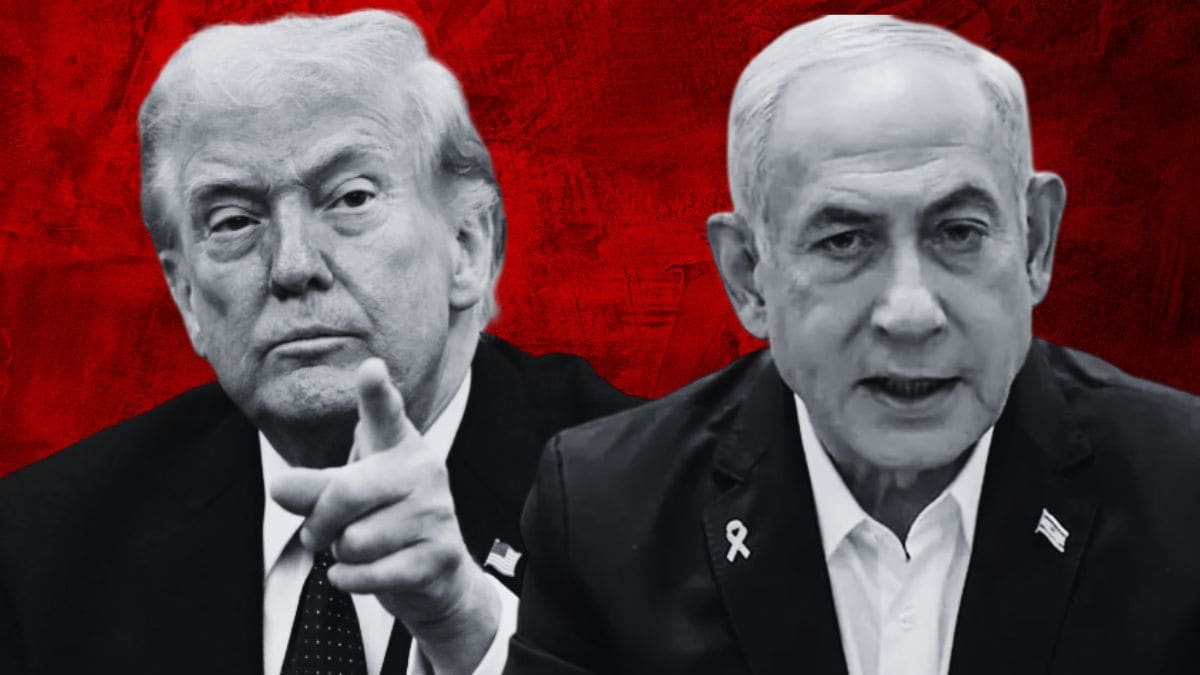
The intersection of high-stakes multilateral diplomacy and localized kinetic operations creates an optimization problem where uncoordinated tactical moves can completely derail a broader strategic endgame. This reality was demonstrated by the friction between the Trump administration's imminent US-Iran Memorandum of Understanding (MoU) and the Israeli Air Force’s targeted kinetic strike on the Dahieh district of Beirut.
While superficial analyses frame this incident merely as a breakdown in diplomatic communication or a standard manifestation of regional volatility, an institutional assessment reveals a structural misalignment in strategic objectives, escalation thresholds, and risk-reward calculations among Washington, Jerusalem, and Tehran.
The Tri-Lateral Escalation Framework
To evaluate why a single airstrike in Lebanon can threaten a comprehensive regional accord, the situation must be disassembled into three distinct operational vectors, each governed by an entirely separate logic function.
                  [ WASHINGTON: Strategic Endgame ]
                    - 60-Day Technical Framework
                    - Open Strait of Hormuz
                    - Sanctions Waivers / Oil Revenue
                                   |
                ___________________|___________________
               |                                       |
[ JERUSALEM: Security Autonomy ]        [ TEHRAN: Proxy Interconnection ]
 - Low Escalation Tolerance              - Integrated Lebanese Front
 - Direct Threat Neutralization           - Leverage via Kinetic Actions
 - Preemptive Deterrence Mandate          - Preservation of Operational Assets
1. The Washington Vector: Macro-Stabilization and Economic Flow
The primary objective of the Trump administration is the execution of a 60-day technical framework designed to pause active hostilities that commenced after the February 28 escalation. The financial and logistical metrics driving Washington’s calculus include:
- The Hormuz Bottleneck: Securing the immediate reopening of the Strait of Hormuz, which has been effectively blocked by Iranian mining and interdiction operations, causing severe maritime insurance premiums and global supply chain inefficiencies.
- Phased Resource Mobilization: Authorizing a temporary 60-day waiver for Iranian crude oil sales while tethering long-term asset unfreezing to progress on nuclear enrichment parameters.
- Diplomatic Capitalization: The insistence by US and Pakistani mediators on a strict electronic signing timeline underscores a desire to lock in a diplomatic baseline before localized kinetic feedback loops collapse the window of opportunity.
2. The Jerusalem Vector: Tactical Autonomy and the Zero-Casualty Threshold
Israeli decision-making operates on a completely different risk-tolerance curve. For Prime Minister Benjamin Netanyahu and Defense Minister Israel Katz, the operational mandate is dictated by a strict deterrence model:
- The Threshold of Incursion: The firing of three projectiles or drones by Hezbollah into northern Israel—even if categorized by external actors as causing zero casualties and minimal infrastructure damage—triggers an automatic, mandatory retaliatory algorithm.
- Geographic Signaling: Striking Dahieh, a high-density command-and-control hub for Hezbollah, serves as a non-negotiable demonstration of sovereignty. Jerusalem's notify-and-strike protocol via CENTCOM indicates that Israel treats its immediate security priorities as independent of Washington’s broader diplomatic schedule.
3. The Tehran Vector: Interconnected Proxy Leverages
Iran's strategic framework relies on linking separate theaters of conflict to maximize its bargaining position.
- The Integrated Front: The Supreme National Security Council in Tehran treats Lebanon not as a separate entity, but as a primary strategic red line. By insisting that any cessation of hostilities includes the Lebanese theater, Iran attempts to shield Hezbollah from being isolated and systematically dismantled by the Israeli military.
- Credibility Metrics: Public statements from parliamentary Speaker Mohammad Bagher Qalibaf indicate that Iran uses Israeli kinetic actions to test US enforcement capabilities. If Washington cannot guarantee a pause in Israeli strikes during active negotiations, Tehran views the US as lacking the institutional capacity to enforce the ultimate terms of a bilateral agreement.
The Strategic Misalignment Function
The underlying friction stems from a profound asymmetry in how Washington and Jerusalem quantify threat levels and tactical actions. This divergence can be systematically broken down into two distinct logical errors committed by the respective parties.
The Proportionality Disconnect
The Trump administration views the initial Hezbollah projectile launch through a macro-lens: three unguided inputs resulting in zero human or economic output equals a "small and meaningless" event that should not disrupt a multi-billion-dollar geopolitical realigned framework. Conversely, the Israeli security cabinet operates on a binary logic model: any violation of sovereign airspace requires a disproportionate kinetic response to prevent the normalization of low-level attrition.
The Coordination Bottleneck
Although Israeli defense forces provided a pre-strike notification to US Central Command (CENTCOM), this communication was handled through military-to-military channels rather than political-strategic ones. This created an operational bottleneck. The military apparatus executed its standard deconfliction protocols, while the executive branch was blindsided during the critical hours preceding an electronic signing ceremony. The resulting friction was laid bare by President Trump’s explicit critique of Netanyahu’s tactical discretion, highlighting a rare public fracture in Western alignment.
Technical Mechanics of the Impending US-Iran MoU
Understanding the fragility of the peace process requires an analysis of what the 60-day technical framework actually entails. This is not a final resolution of deeply rooted structural disputes, but rather an operational pause designed to prevent a full-scale regional escalation.
| Agreement Component | Operational Mechanism | Verification Protocol |
|---|---|---|
| Strait of Hormuz | Immediate lifting of Iranian maritime blockades; active mine-clearing operations led by Iranian naval forces within a strict 30-day window. | Joint maritime monitoring; reduction in commercial shipping insurance risk premiums. |
| Sanctions Relief | US issuance of narrow, time-bound waivers allowing the legal export and monetization of Iranian crude oil. | Tracking of energy export volumes through international banking clearing houses. |
| Asset Freezing | Phased release of overseas Iranian capital reserves currently locked in foreign financial institutions. | Conditional execution; subsequent tranches are strictly contingent on verifiable nuclear enrichment deceleration. |
| Nuclear Framework | Establishment of a 60-day technical consultation window to renegotiate enrichment ceilings and monitoring access. | Enhanced International Atomic Energy Agency (IAEA) site visits and telemetry verification. |
The structural limitation of this framework is its omission of proxy disarmament. By failing to explicitly define the operational boundaries of non-state actors like Hezbollah within the core text of the US-Iran MoU, the agreement remains highly vulnerable to external disruptions. A single tactical engagement on the blue line can instantly invalidate the diplomatic progress achieved in Doha or Islamabad.
Regional Response Matrices and Tactical Moves
Following the strike on the Dahieh apartment infrastructure, the immediate strategic calculus shifts toward damage control and containment. The actions of the next 48 hours will dictate whether the technical framework holds or dissolves into an expanded conflict loop.
The Iranian Proportionality Dilemma
Tehran faces an acute operational paradox. A failure to respond to a strike in Beirut undermines its status as the patron of the Axis of Resistance and invites further domestic political criticism from hardline factions within the Islamic Consultative Assembly. However, an over-calibrated kinetic response—such as a repeat of the direct missile barrages seen in early April—would permanently collapse the US-led negotiation track, denying Iran the critical oil waivers and economic relief required to stabilize its internal markets.
Initial indicators suggest Iran will outsource its immediate response to regional proxies to preserve its diplomatic optionality, signaling discontent through parliamentary rhetoric while allowing Qatari and Pakistani intermediaries to keep the electronic signature process active.
The Israeli Security Mandate
Jerusalem is operating under the assumption that the proposed US-Iran deal falls short of degrading Iran's strategic capabilities. Because the current draft does not mandate an immediate withdrawal of Hezbollah forces north of the Litani River or dismantle Tehran’s ballistic missile supply chains, the Israeli military establishment views localized kinetic operations as a necessary insurance policy.
Even if Washington forces a temporary pause in strikes on Beirut proper, Israel is highly likely to maintain a high-tempo operational posture in southern Lebanon, testing the boundaries of the 60-day framework to establish a de facto security buffer zone through unilateral military action.
Strategic Action Plan for Multilateral Stabilization
To prevent localized tactical friction from completely destroying the macro diplomatic framework, Western and regional stakeholders must immediately shift from reactive rhetoric to structural insulation mechanisms.
- Establish a Direct Deconfliction Cell: Transition the current notify-only protocol between the IDF and CENTCOM into a trilateral crisis-management room that includes civilian strategic advisors. This ensures that any planned retaliatory strike by Israel is cross-referenced against the exact timing of diplomatic milestones to prevent political blind spots.
- Decouple the Maritime and Territorial Theaters: The reopening of the Strait of Hormuz must be contractually insulated from land-based skirmishes in the Levant. US negotiators should bind the oil export waivers specifically to maritime security metrics, ensuring that even if low-intensity conflict continues along the Israeli-Lebanese border, the global energy supply chain remains structurally protected.
- Implement a Graduated Sanctions Snap-Back for Proxy Escalation: Rather than relying on ambiguous appeals for all parties to "stand down," the technical framework must include a clear financial penalty matrix. If Iranian-backed groups launch projectiles that breach defined geographic thresholds, a predetermined percentage of the frozen assets scheduled for release must be automatically locked for an additional 30 days. This shifts the enforcement burden directly onto Tehran's economic self-interest.