The diplomatic theater in Pakistan is unraveling just as the physical blockade in the Persian Gulf tightens. While the White House insists that Vice President JD Vance is bound for Islamabad to finalize a "reasonable deal," Tehran has effectively slammed the door, citing a direct violation of the standing ceasefire. This is no longer a mere scheduling conflict between hostile nations. It is a fundamental collapse of trust triggered by the seizure of an Iranian-flagged cargo ship in the Gulf of Oman—a move that has turned the upcoming April 22 ceasefire expiration into a countdown for potential total war.
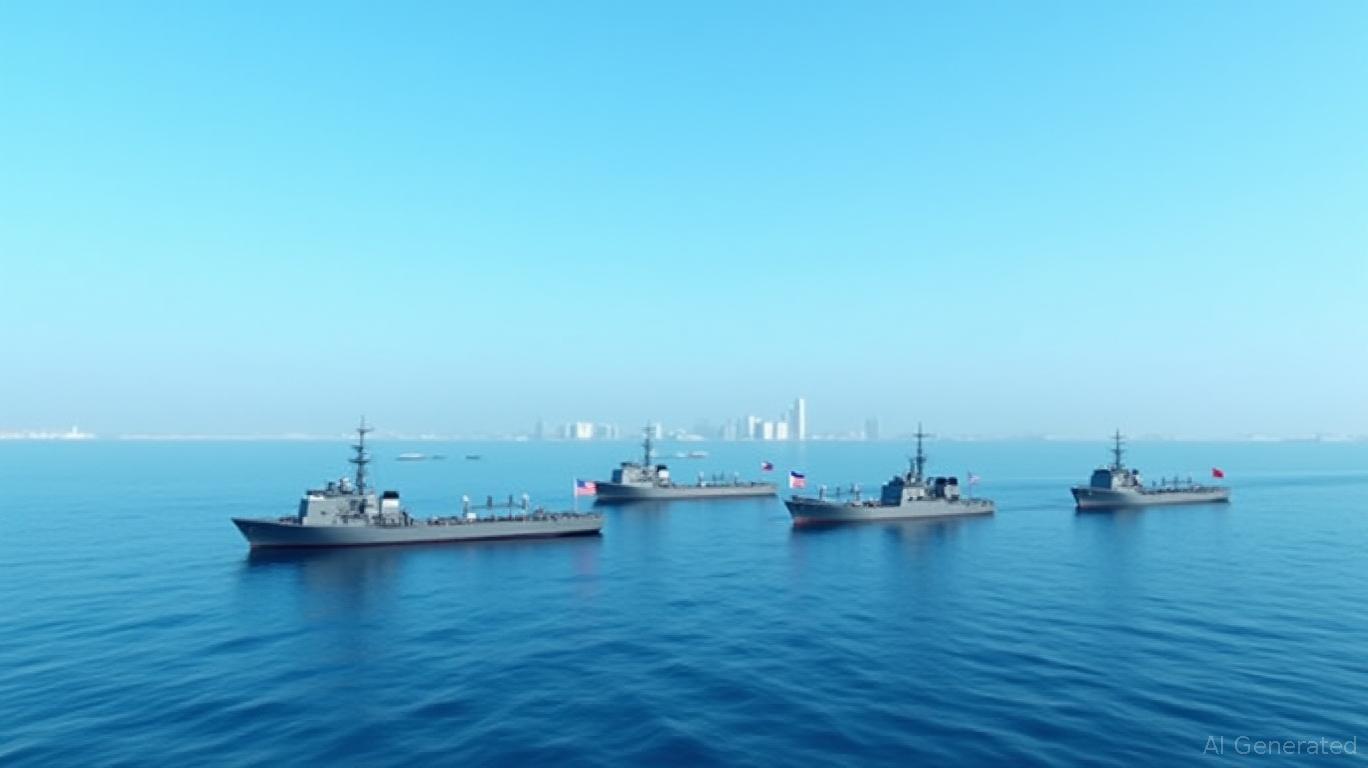
The core of the dispute rests on a paradox of regional control. The United States has initiated a "blockade of the blockaders," attempting to choke off Iranian ports until Tehran surrenders its highly enriched uranium and abandons its 21-hour-long demands from the first round of talks. Tehran, meanwhile, has transformed the Strait of Hormuz into a toll zone governed by the Revolutionary Guard. By demanding that every commercial vessel obtain explicit IRGC permission to transit, Iran has turned a global shipping lane into a private driveway.
The Vance Delegation and the Credibility Gap
JD Vance finds himself in a precarious position. After a grueling first round of negotiations that lasted nearly a full day without a single breakthrough, his standing as a negotiator is under fire. Critics have pointed to his previous rhetoric—specifically a comparison between nuclear enrichment rights and personal hobbies—as evidence of a team that may be out of its depth. This lack of diplomatic gravitas is being exploited by Iranian negotiators like Mohammad Bagher Ghalibaf, who are seasoned in the art of the "long stall."
The internal friction within the American administration hasn't helped. President Trump’s public vacillation over whether Vance would even attend the talks, citing security concerns before a sudden reversal, signaled a lack of cohesion that Tehran was quick to note. In the world of high-stakes Iranian diplomacy, perceived indecision is viewed as an invitation to escalate. While the American side aims for a 20-year freeze on enrichment, the Iranians are currently unwilling to discuss anything beyond a single-digit pause, a gap that remains wide enough to sink any hope of a Tuesday breakthrough.
The Blockade Logic
Washington’s strategy is built on the belief that economic strangulation will force a concession before the Wednesday deadline. They are betting on the "No More Mr. Nice Guy" doctrine, which threatens the destruction of Iran’s power plants and bridges if a deal isn't struck. It is a maximalist approach that assumes the Iranian regime prioritizes infrastructure over its strategic "Strait of Hormuz Gambit."
However, the Iranian leadership appears to have a different set of priorities. For the IRGC, the ability to disrupt global energy markets is their only surviving lever of power. They have already demonstrated that they can:
- Force tankers to alter course with simple naval presence.
- Implement a de facto tax on Gulf shipping.
- Regenerate ballistic missile forces during the very truces meant to disarm them.
The seizure of the Iranian vessel by U.S. forces over the weekend gave Tehran the perfect exit strategy from talks they likely never intended to finish. By labeling the seizure a "clear example of aggression" and a breach of the April 8 truce, the Iranian Foreign Ministry has shifted the blame for the impending escalation onto Washington. This allows them to walk away from the table while maintaining a narrative of victimhood for their domestic audience and regional allies.
The Islamabad Deadlock
Islamabad itself is a city in waiting. The Marriott and Serena hotels have been cleared, and beautification projects are complete, but the suites remain empty of Iranian delegates. Pakistan has spent weeks attempting to balance its relationships between Washington, Tehran, and Riyadh, yet it now finds itself hosting a one-sided summit.
The U.S. delegation, which includes Steve Witkoff and Jared Kushner, is arriving with a framework for a deal that the other party has already rejected. This creates a dangerous vacuum. When a superpower prepares for a peace summit and the opponent refuses to show, the momentum often shifts toward the military assets already positioned in the Arabian Sea.
We are seeing a struggle of political endurance. The United States wants a quick exit and a return to stable oil prices. Iran is betting that it can endure more pain than the American public is willing to tolerate at the pump. This is not a misunderstanding that can be solved with better phrasing or a new venue. It is a collision between a superpower trying to enforce a global order and a regional power that has decided that chaos is its most valuable export.
If the ceasefire expires on Wednesday without a signature, the theater ends and the kinetic phase begins. The U.S. military is reportedly "ready for any scenario," a phrase that, in the current climate, sounds less like a precaution and more like a prediction.
Watch the Strait. The first shot of the next phase won't be fired in a hotel ballroom in Pakistan; it will be fired across the bow of a tanker in the narrows of the Gulf.