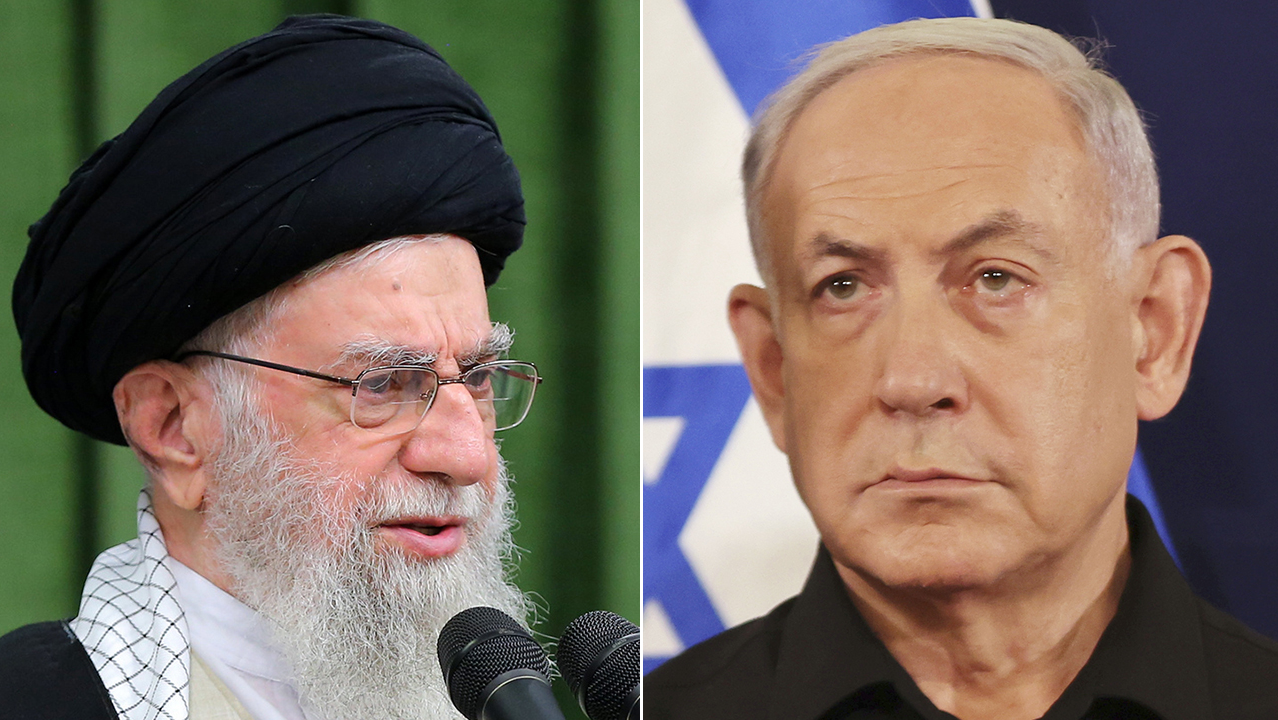
The ink isn't even dry on the April 7 ceasefire agreement, and already the "peace" looks like a slow-motion car crash. If you thought the truce between the US and Iran would actually lower gas prices or stop the missiles, you haven't been paying attention to the Strait of Hormuz.
Right now, over 1,000 ships are sitting ducks in and around the Persian Gulf. They're waiting for a "reopening" that Iran is treated more like a toll booth than a global waterway. Eylon Levy, the former Israeli government spokesman, isn't mincing words: he calls it maritime piracy and straight-up blackmail. He's right. The US-Iran ceasefire is currently hinging on a blockade that hasn't actually ended.
The Hormuz Toll Booth
When the ceasefire was announced, the world breathed a sigh of relief. Brent crude had peaked at $126 per barrel, and the global economy was staring down the barrel of a 1970s-style energy crisis. But the "reopening" is a total farce.
Instead of free passage, the Islamic Revolutionary Guard Corps (IRGC) is reportedly charging "transit fees" that top $1 million per ship. They aren't just letting ships through; they're picking and choosing who gets to pass while keeping US and Israeli-linked vessels effectively banned. This isn't a ceasefire. It's a protection racket on a global scale.
- 17 attacks on merchant vessels have been recorded since March 1.
- 12 seafarers are dead or missing.
- 800 ships remain trapped inside the Gulf, unable to exit eastbound.
If the goal of the truce was to restore the status quo, it’s failed. Iran is using the two-week window to cement its control over the world's most vital maritime chokepoint, trying to turn a temporary wartime reality into a permanent tactical advantage.
Why Lebanon Changes Everything
Here’s the part many people are missing: the ceasefire doesn't cover Lebanon. While Washington and Tehran talk in Islamabad, Israel is still pounding Hezbollah targets. Levy point-blank warned that Israel isn't going to let a "simple ceasefire" leave a terrorist army on its doorstep.
Hezbollah launched 7,000 missiles and drones at Israel in just one month. You can't ask a sovereign nation to just "stop" while their northern citizens are living in bomb shelters. The US might want a clean exit from this conflict, but as long as Iran’s proxies are firing, the war isn't over—it’s just moving.
Israel has signaled it wants direct peace talks with the Lebanese government to dismantle Hezbollah together. That’s a massive shift. It tells us that Israel doesn't trust the US-Iran "pause" to actually secure its borders. They’re looking for a permanent fix, not a two-week band-aid that allows the IRGC to reload.
The Myth of Global Dependence
For decades, the conventional wisdom was that if the Strait of Hormuz closed, the world died. That’s the "blackmail" Iran relies on. But 2026 is proving that theory might be past its expiration date.
The Jerusalem Post recently highlighted that we aren't as trapped as we think. Land-based alternatives like Saudi pipelines to Yanbu and southern routes through Oman to Gwadar are operational. Saudi Arabia has already shifted massive amounts of exports westward to the Red Sea to keep the oil flowing despite the IRGC's mines.
The Real Alternatives to Hormuz
- Saudi East-West Pipeline: Carrying millions of barrels per day to the Red Sea, bypassing the Strait entirely.
- Oman-Pakistan Corridor: Moving oil eastward to Asian markets via Salalah and Gwadar.
- The Proposed IMEC Corridor: A land-based energy link connecting the Gulf to Europe through Jordan and Israel.
Iran’s leverage depends on Hormuz being indispensable. If the world builds around it, the blackmail loses its teeth. The current crisis is actually accelerating these projects because no one wants to be held hostage by a "toll booth" in the Gulf ever again.
Trump and the Islamabad Talks
Vice President JD Vance is currently in Islamabad with a heavy-hitting team, including Jared Kushner. They’re facing an Iranian delegation that thinks it holds all the cards. Iran wants its frozen assets unfrozen and a total stop to Israeli operations in Lebanon.
Trump’s stance is predictably blunt: the Strait will be open "with or without" Iran's cooperation. He’s calling their bluff, labeling the blockade "short-term extortion." But the clock is ticking. The ceasefire is only for two weeks. If the IRGC keeps charging million-dollar tolls and blocking US ships, the US military is going to have to decide if it’s willing to actually "clear" the Strait by force.
Don't be fooled by the "diplomatic progress" headlines. Iran is using this time to see how much they can get away with. They’re testing whether the US will accept a "new normal" where Tehran taxes global trade. If the US gives in now, we aren't just paying a toll—we're funding the next round of missiles headed for Tel Aviv or Abu Dhabi.
What Happens Next
The next 72 hours are the most dangerous. If the Islamabad talks don't produce a concrete, verified plan to remove IRGC "inspectors" from the Strait, the ceasefire will collapse before the two weeks are up.
If you're tracking this, watch the shipping data, not the press releases.
- Watch the insurance rates: If they don't drop, the "peace" is fake.
- Watch the ship counts: If the 800 trapped vessels don't start moving without paying "fees," the blockade is still in effect.
- Watch the Lebanon border: Any major escalation there will likely blow up the talks in Pakistan.
Stop expecting a miracle. Iran isn't negotiating to end the war; they're negotiating to see if they can win it without firing another shot. The world is being blackmailed, and so far, the "ceasefire" is just paying the first installment.
Get your energy hedges ready. If these talks fail, that $126 oil peak is going to look like a bargain. The US needs to decide if it's going to reopen the Strait or just keep watching the IRGC collect the checks. Assuming this "ceasefire" is the end of the crisis is the fastest way to get blindsided when the missiles start flying again.
Don't wait for the official announcement. If the ships aren't moving freely by Tuesday, the deal is dead.