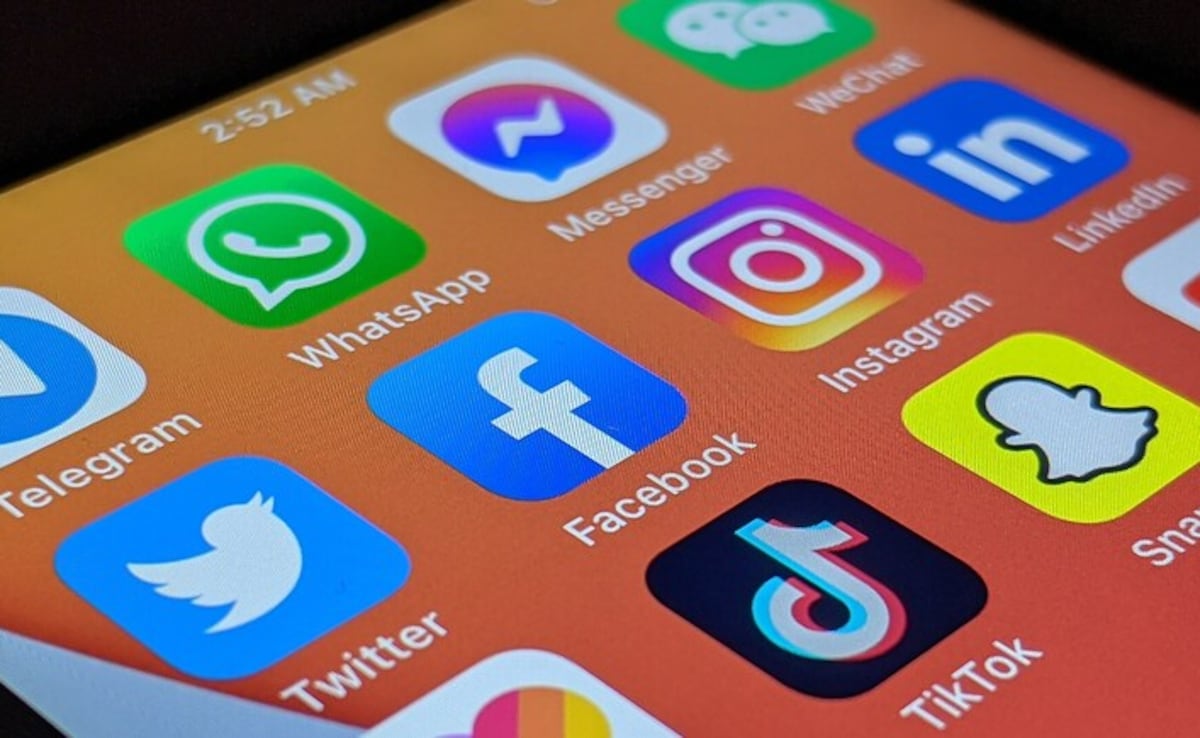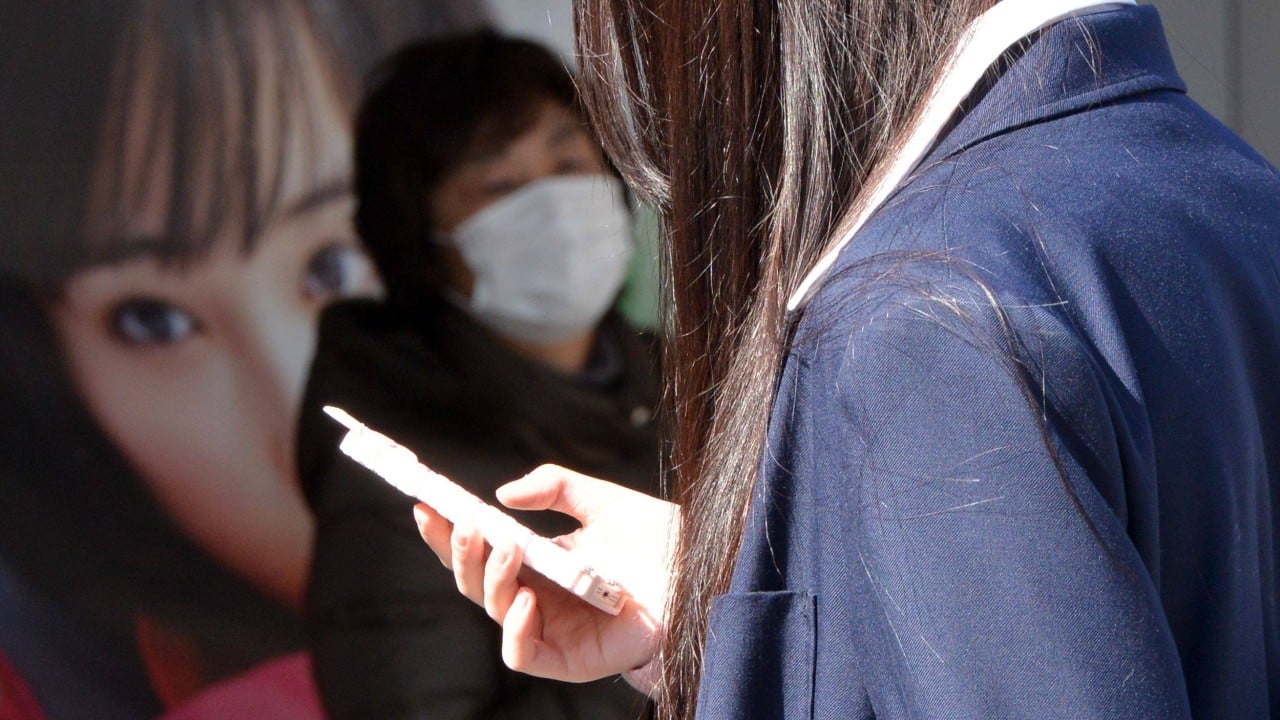
In December 2025, Australia did what most modern democracies only whisper about: they flicked the kill switch on social media for anyone under sixteen. It was a legislative thunderclap that sent shockwaves through the Pacific, landing squarely in Tokyo, where lawmakers have spent decades trying to balance the nation’s technological obsession with its deeply conservative social fabric.
Japan will not follow Australia. At least, not yet. While the Australian model uses the blunt force of a federal mandate, the Japanese government is currently paralyzed by a classic internal conflict between the urgent need to protect children and a profound, historical allergy to state interference in private life.
The primary reason a total ban remains a fantasy in Japan is not a lack of concern, but a lack of consensus. For every parent terrified of yami baito—the "dark part-time jobs" used by criminal syndicates to recruit teenagers via social media—there is a civil servant warning that a ban would violate Article 21 of the Constitution, which guarantees freedom of expression. In Japan, the digital world is not just a playground; it is the infrastructure of existence.
The Statistics of a Silent Crisis
The numbers coming out of the National Police Agency are enough to keep any parent awake. In 2025, the number of elementary school students targeted for sexual crimes and exploitation via social media hit a ten-year high. We are seeing a 20% year-over-year increase in victims who haven't even reached junior high.
Digital addiction is no longer a fringe theory discussed by niche psychologists. A recent survey by the Kurihama Medical and Addiction Center revealed that roughly 6% of Japanese youth between ages ten and twenty-nine are engaged in what clinicians now call "pathological use." They aren't just scrolling; they are disappearing.
By the time a Japanese girl enters junior high, her participation in social media is nearly universal at 96%. Line, the country’s dominant "super-app," is so deeply integrated into the educational and social ecosystem that removing it would be akin to cutting off a limb. Schools use it for announcements. Students use it for homework groups. Families use it for everything.
The Australian Blueprint vs. the Japanese Reality
Australia’s ban is built on a foundation of "age assurance"—the idea that tech companies can and must verify a user’s age through biometrics or government ID. If they fail, they face fines upward of $50 million. It is a high-stakes game of digital border control.
Japan’s Children and Families Agency has been watching this experiment with a mix of envy and skepticism. While an expert panel was convened in early 2026 to discuss "strengthening regulations," the language remains characteristically soft. Instead of a "ban," they discuss "filtering" and "literacy."
The Japanese approach relies on the My Number card system. This is Japan’s attempt to tether a physical identity to a digital one. In theory, the My Number system could verify a child's age without sharing sensitive data with a platform like TikTok or Instagram. In practice, the adoption of these cards has been plagued by privacy scandals and public distrust.
Why Voluntary Guidelines Are Failing
The current Japanese strategy is one of "recommended restraint." In 2025, Toyoake City in Aichi Prefecture made headlines by suggesting children limit their screen time to two hours a day. It was a polite request with zero enforcement.
It failed.
Voluntary guidelines require a cohesive community to enforce them. In the 1980s, the "village" might have collectively decided to keep kids off the streets after dark. In 2026, the village has been replaced by isolated nuclear families where both parents are often working long hours. A parent trying to limit their child's access to X or Instagram isn't just fighting a billion-dollar algorithm; they are fighting the social isolation of their own child. If every other kid in the class is on the app, the one child who isn't becomes a social pariah.
The Hidden Economic Brake
There is a cynical layer to this debate that rarely makes the front page: the tech lobby in Japan is quietly but fiercely resistant. Companies like LINE Yahoo and Rakuten are central to Japan’s digital transformation goals. A blanket ban on minors would not only gut their user growth but also stifle the development of the "Metaverse" and AI-integrated services that the government has pegged as future economic drivers.
Lawmakers are terrified of "digital luddism." They worry that by banning children from these platforms, they are raising a generation that will be functionally illiterate in the global tech economy of the 2030s. This is the "Right to Know" argument, often used as a shield to protect corporate interests.
The Rise of the Dark Web Lite
Perhaps the most compelling argument against the Australian-style ban is the fear of displacement. If you kick teenagers off the "regulated" platforms like YouTube and Instagram, they don't go back to reading paper books. They move to unmoderated spaces.
We are already seeing the rise of niche community apps like Zepeto and Parallel, which operate under the radar of traditional parental filters. These apps have become the new frontier for yami baito recruitment. By forcing children off mainstream social media, the government risks pushing them into digital dark alleys where the police have even less visibility.
What Happens This Summer
The Children and Families Agency is expected to release a definitive report by the summer of 2026. If you are expecting a ban, you will be disappointed.
The likely outcome is a "Mandatory Filtering Law" that shifts the burden of proof from the parent to the hardware manufacturer and the platform. This would require smartphones sold in Japan to have "Child Mode" enabled by default, requiring a multi-step parental override to access certain apps. It is a middle-of-the-road solution that seeks to provide "friction" without "prohibition."
Australia’s experiment is a bold play in a high-stakes game. Japan, ever cautious, is choosing to watch from the sidelines, terrified of the social cost of the status quo but even more afraid of the state-mandated cure.
The reality is that Japan's digital drift is too far gone for a simple "off" switch. The government isn't looking for a ban; they are looking for a way to let the water keep flowing without the children drowning. It is a delicate, perhaps impossible, balancing act.
Watch the summer report. It won't tell you if the ban is coming. It will tell you how much more digital autonomy Japan is willing to sacrifice in exchange for the illusion of safety.